
Research
Sound is an incredibly imortant element of a film or TV show’s production. It is argued by many that the sound design of a film is actually more important than the cinematography, as I explored in this blog post:
Introduction to Sound
On the 8th of November, Paddy did a workshop with us in which he took us through the basics of sound in film and how it is used in films such as ‘Heat’ (1995): https://www.youtube.com/watch?v=WdJHB2coyxY We discussed…
What is Sound Design?
Sound design in its most fundamental form is the process of mixing, producing, arranging and editing sounds for a film or other medium.
There are many different elements to sound, from musical scores to foley sound and dialogue, and there are many different ways of recording sound for film and TV.
I watched this well-made documentary about the importance of sound in film and how it is created and I took the following things from it:
- Sound design is about building an atmosphere and telling the audience what can’t be seen.
- When talkies first appeared, we noticed just how important sound is to convey emotion – even in just the human voice.
- King Kong was an incredibly influential film in the world of sound design as it pioneered techniques still used in the industry today.
- Orson Welles was an extremely significant contributor to the world of sound design. He began by creating radio dramas and created the infamous War of The Worlds radio drama, he later moved to film when he created Citizen Kane, both of which incorporated sound design as a crucial element. He also said that every space has its own signature.
- In the early days of sound in cinema, music was prioritised over any sound design and the studios didn’t value sound as being part of the cinematic process.
- Alfred Hitchcock really incorporated sound into the planning of the film and let it tell its own story
- Sound in cinema was predominantly mono with a single speaker behind the screen.
- Jim Webb introduced the idea of multitrack audio.
- George Lucas had the sound for the Wookie recorded before principal photography had even begun.
- Apocalypse Now was pivotal in that it introduced surround sound to the mainstream. Different people were also assigned elements of the sound design to edit.
This clip has a look behind the scenes at the Skywalker Sound studio, I found it incredibly interesting to see all of the different props that are used for foley sound and how some of the most random objects can create sounds that can be used for other unrelated objects. I would never have thought to use a feather duster for the sound of a bird. It truly shows how under-recognised foley artists are that there are more astronauts in the world than foley artists.
This video specifically looks at making sound for a film which has no dialogue: ‘A Quiet Place’. The methods that they used to basically ‘invent’ sounds for a creature that doesn’t exist are very interesting, although I hope they didn’t let all that food go to waste… How do you even think to try zapping some grapes with a stun-gun. I want to experiment with interesting methods of getting some sounds in my own project.
This video takes a look at creating the sound of weather. It was very interesting to see the different methods and it was interesting that the process is essentially just some people playing around and seeing what works. In my project, I imagine that I’ll have to create some form of weather or ambience, so it was useful to see their methods.
This video is an interesting insight into how the different sound elements are mixed to create a truly spectacular sound design for such an abstract scene. It was particularly interesting to hear each ‘layer’ of sound individually and to see the thought that went into it, for example, I probably wouldn’t have chosen to use a metal creaking sound because I wouldn’t have thought about all of the pipes and things underground.
Before watching this video, I had never really thought about the part that sound plays in determining the perspective from which we see the action of the film. Before watching this video I had thought that a sound design had to be ‘accurate’ essentially where and in what direction the camera is facing should dictate what sounds are ‘picked -up’ and from which direction they should come. I had also never thought about how sound design can carry the plot, for example, when the lorry shows up and disrupts the plan you first hear it through the sound design and you can tell that it’s important because of their volume.
My Clip
For this brief, we’ve been tasked with recreating the sound for a film clip of our choice. I’ve decided to go for this clip from “No Country for Old Men” (2007)
What Sounds Will I Need?
Whilst I’ll put together a full sound list in the pre-production stage I thought I should have a look at how to create some sound effects that I’ll need for the clip.
I started off by looking at the gunshots and how I could achieve them. I had a look at this video from Film Riot, and whilst I did find iti insightful, I don’t exactly have many firecrackers lying around, however I do have party poppers…
I will also need the sound of an old rotary phone. I have a few ideas about how I could achieve this starting with obviously just finding a phone, or if that isn’t possible rolling a pen along the spiral part of a notebook and using a signal generator to make the tones.
Pre-Production
Sound Effect List
Prop List
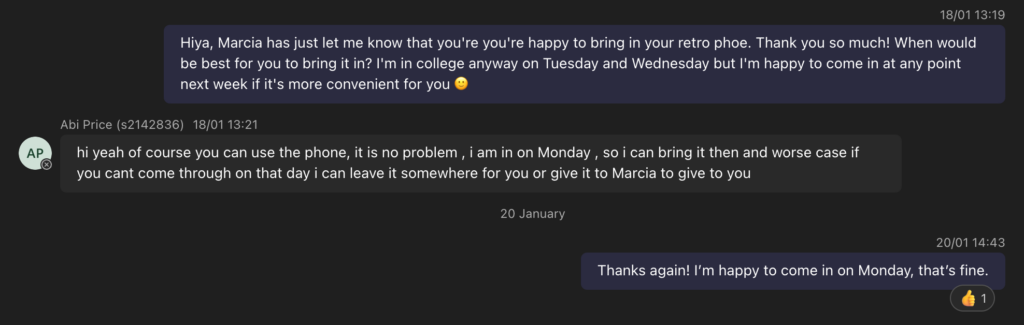
I managed to get a rotary dial phone from Abi Price (a second year student) who had one for a previous project:
Schedule
Equipment List
Risk Assessment
Production
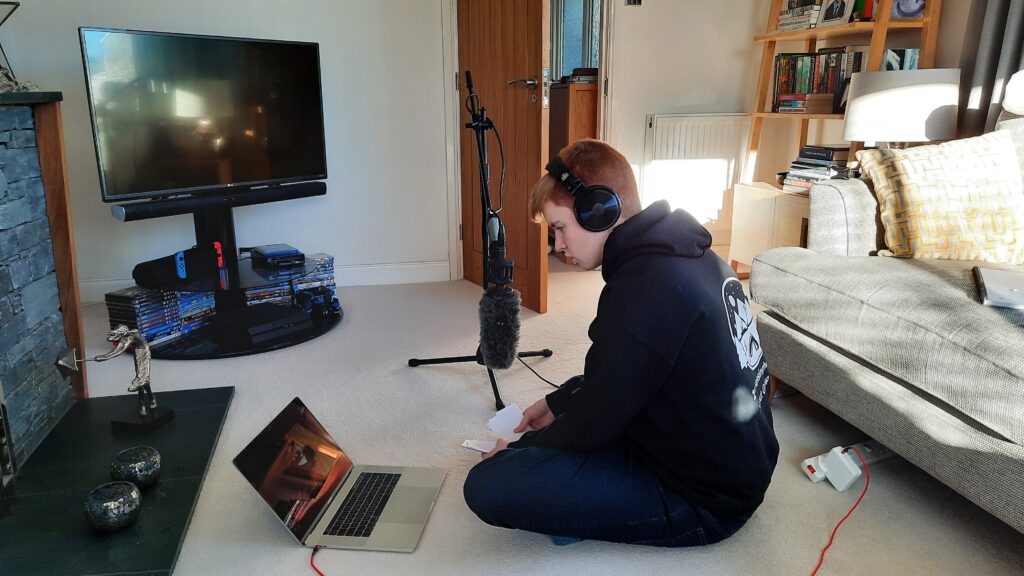
I recorded all of the sounds in my house. I set up a mic stand and the shotgun mic and a Tascam DR-40 (as I couldn’t get a Zoom) and set them up in my living room to record various sounds including the sound of paper rustling and clothes rustling.
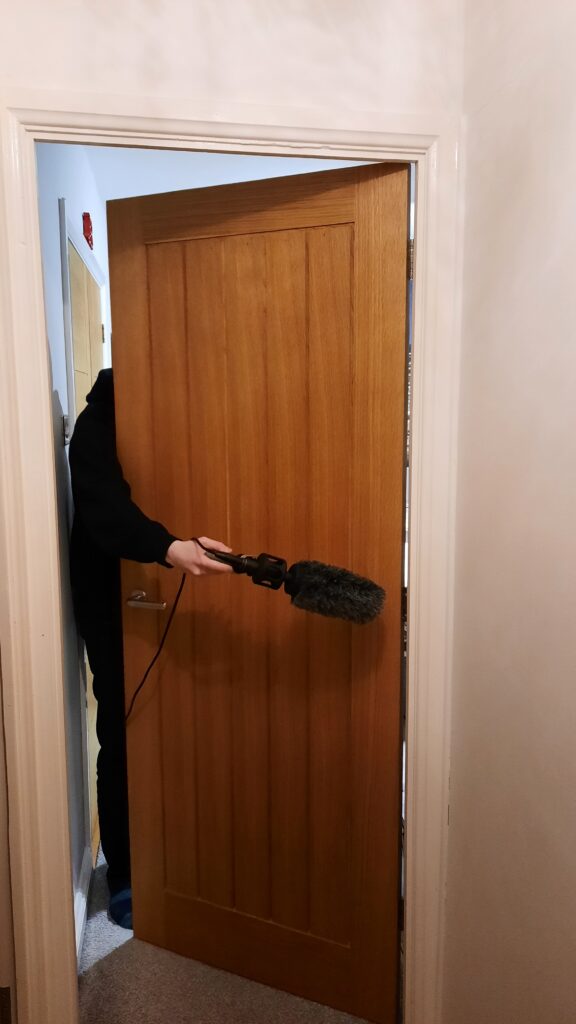
I recorded the sound of the door creaking using my bedroom door and the sound of the floor creaking in the bathroom.
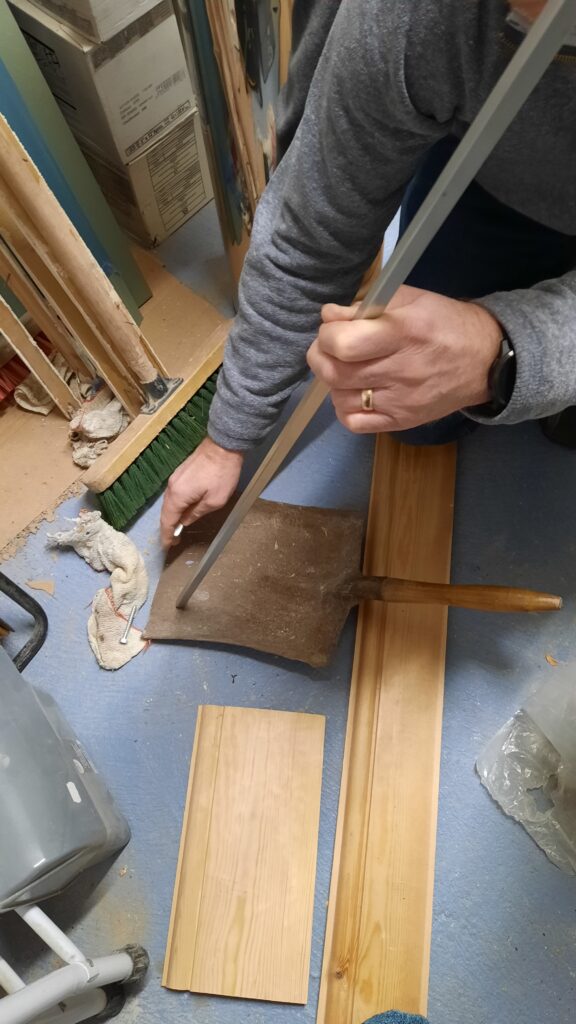
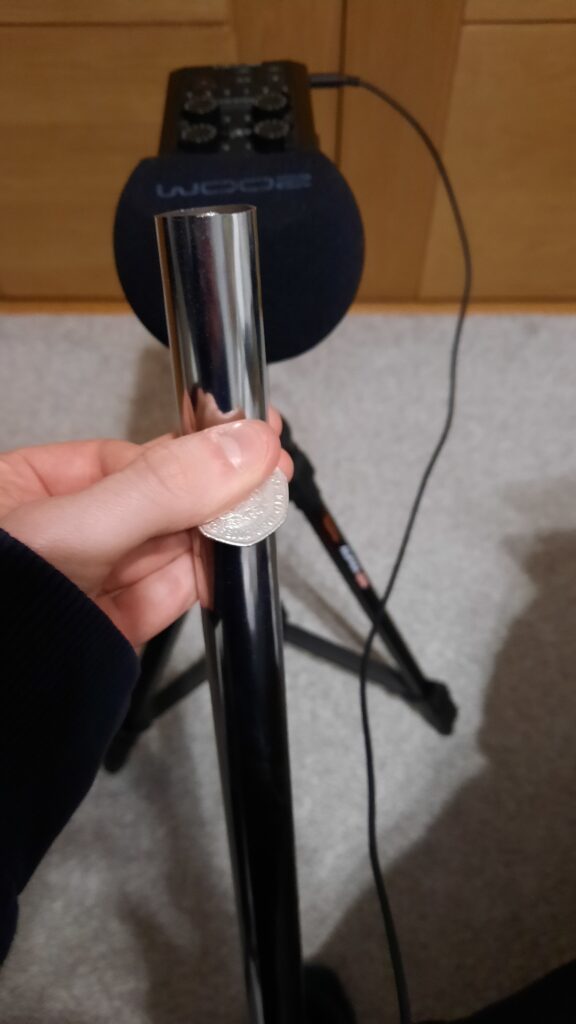
I used a metal pole, a coin, and some nuts and bolts to create a bullet-going-through-metal sound.
For the gunshot sound I wanted a bang so I used some party poppers that I had lying around in the house with the idea that I’d adjust the pitch and add some reverb in post. My room stank of gunpowder for the whole night…
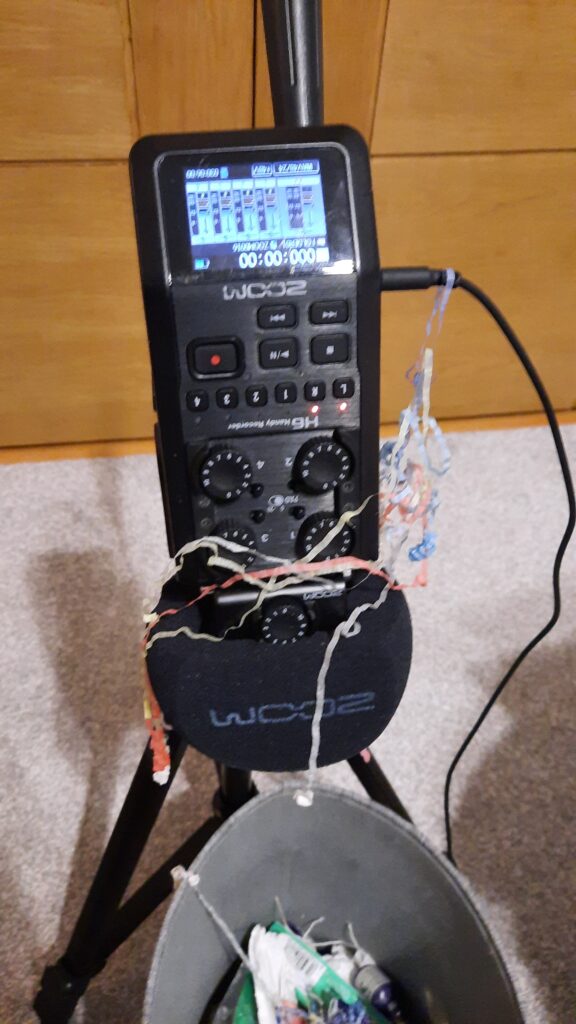
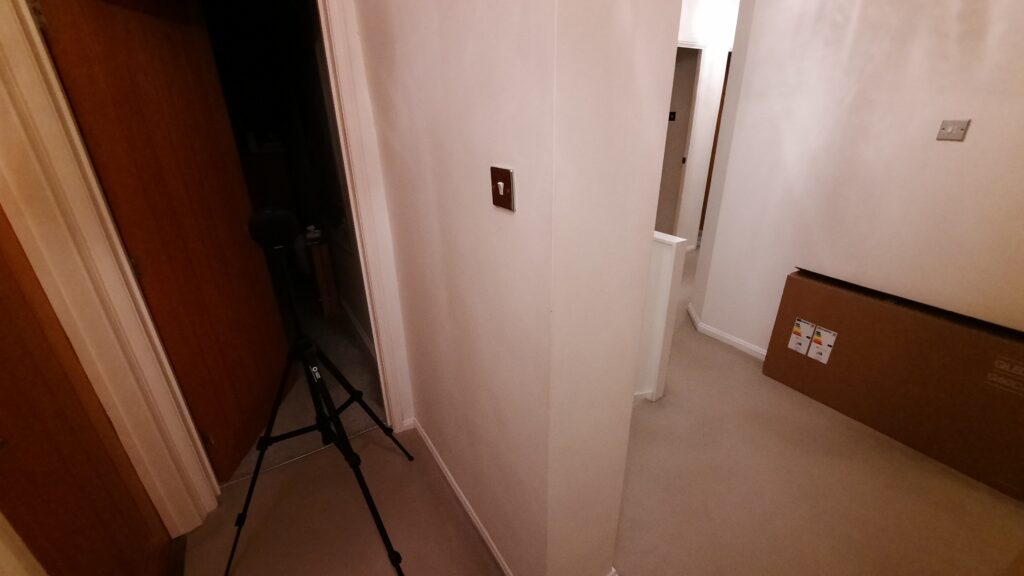
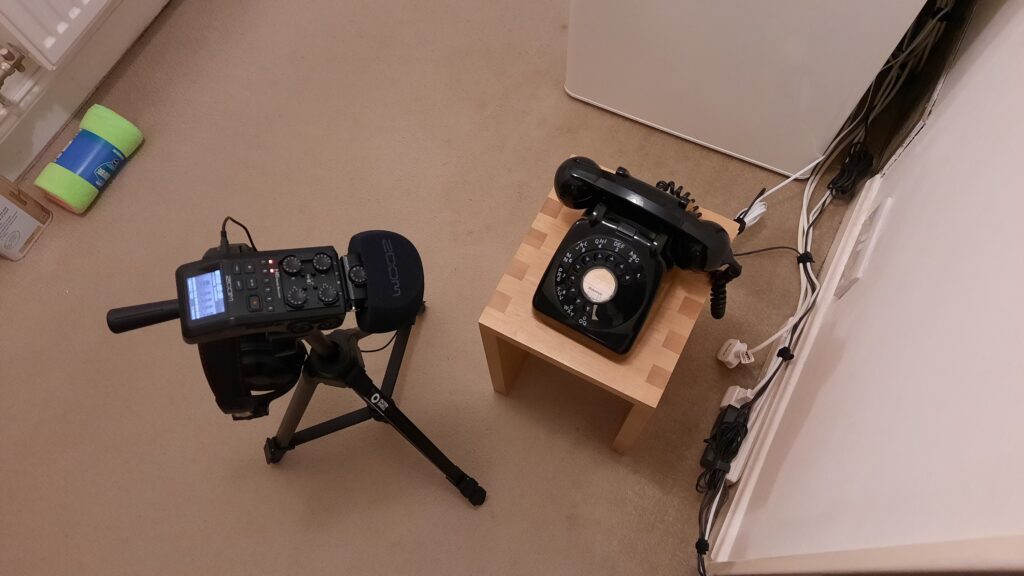
For the telephone ringing sound I wanted it to sound as though it was muffled through a wall, so I hooked up the phone to the phone line downstairs and recorded the sound upstairs.
I also recorded the sound of the dial tone and the rotary number pad. I did this by hooking the phone up to the house phone line and ringing the number.
Post-Production

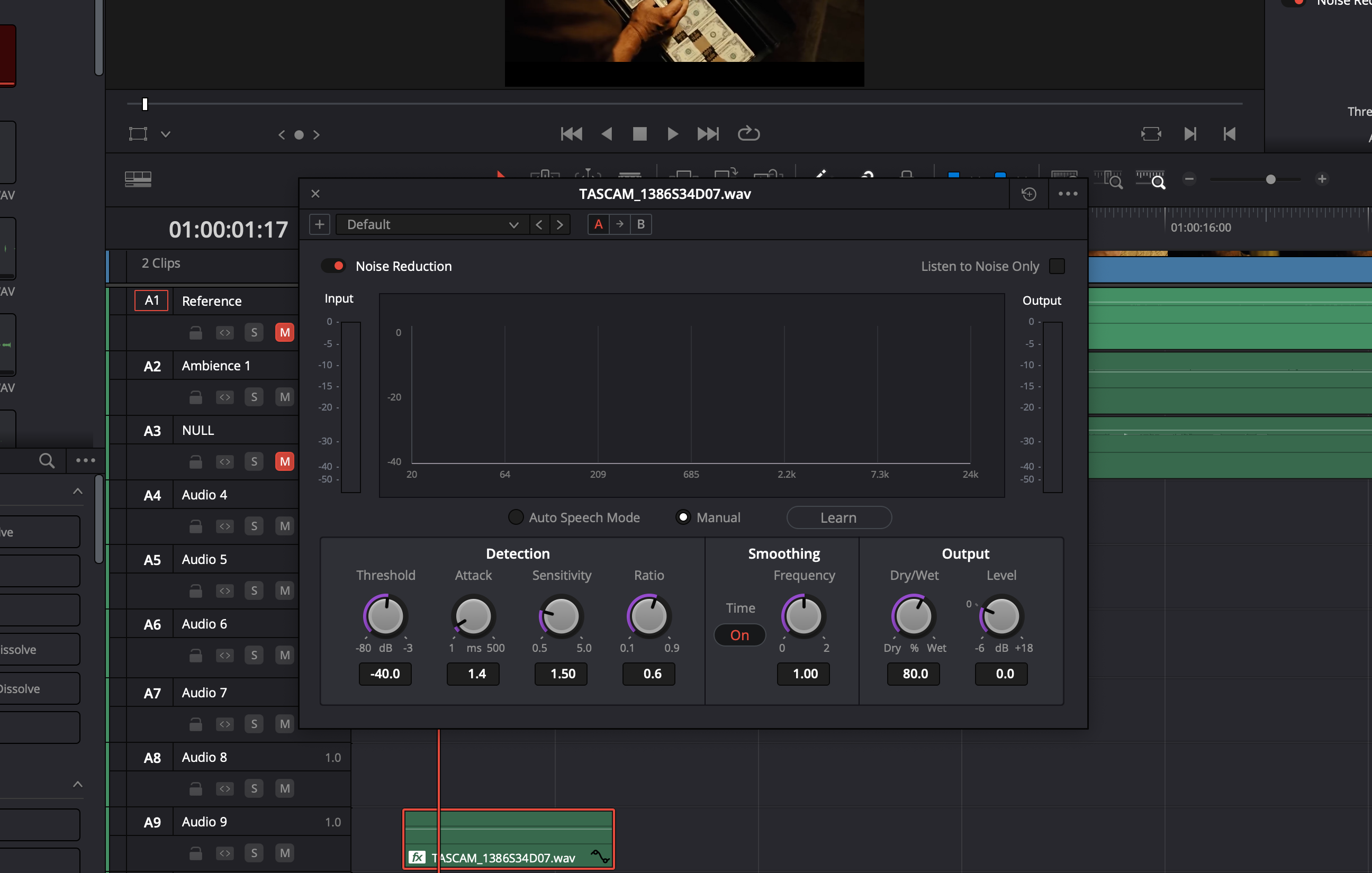
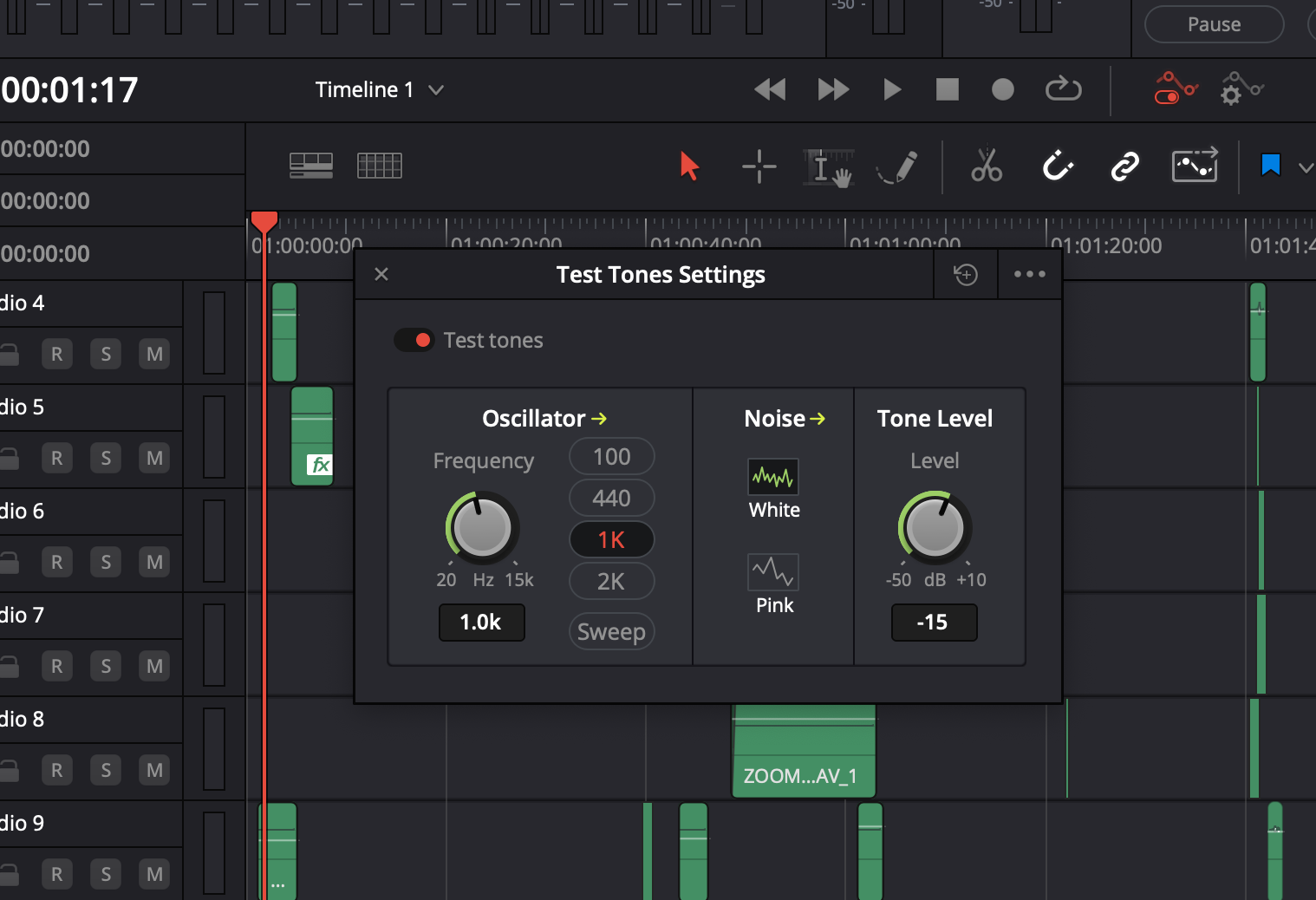
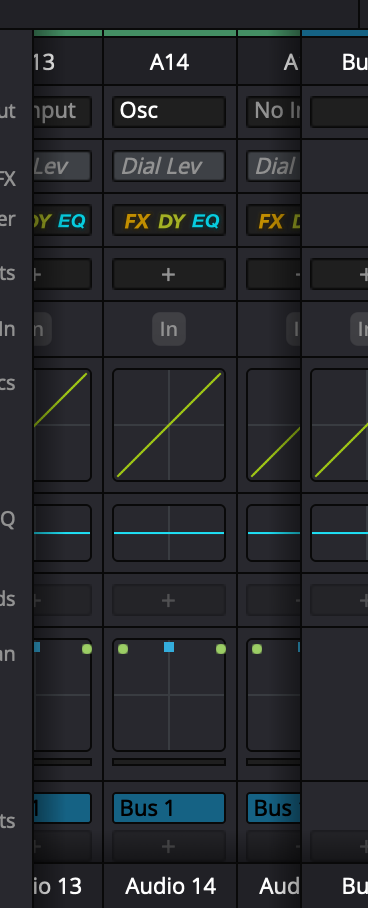
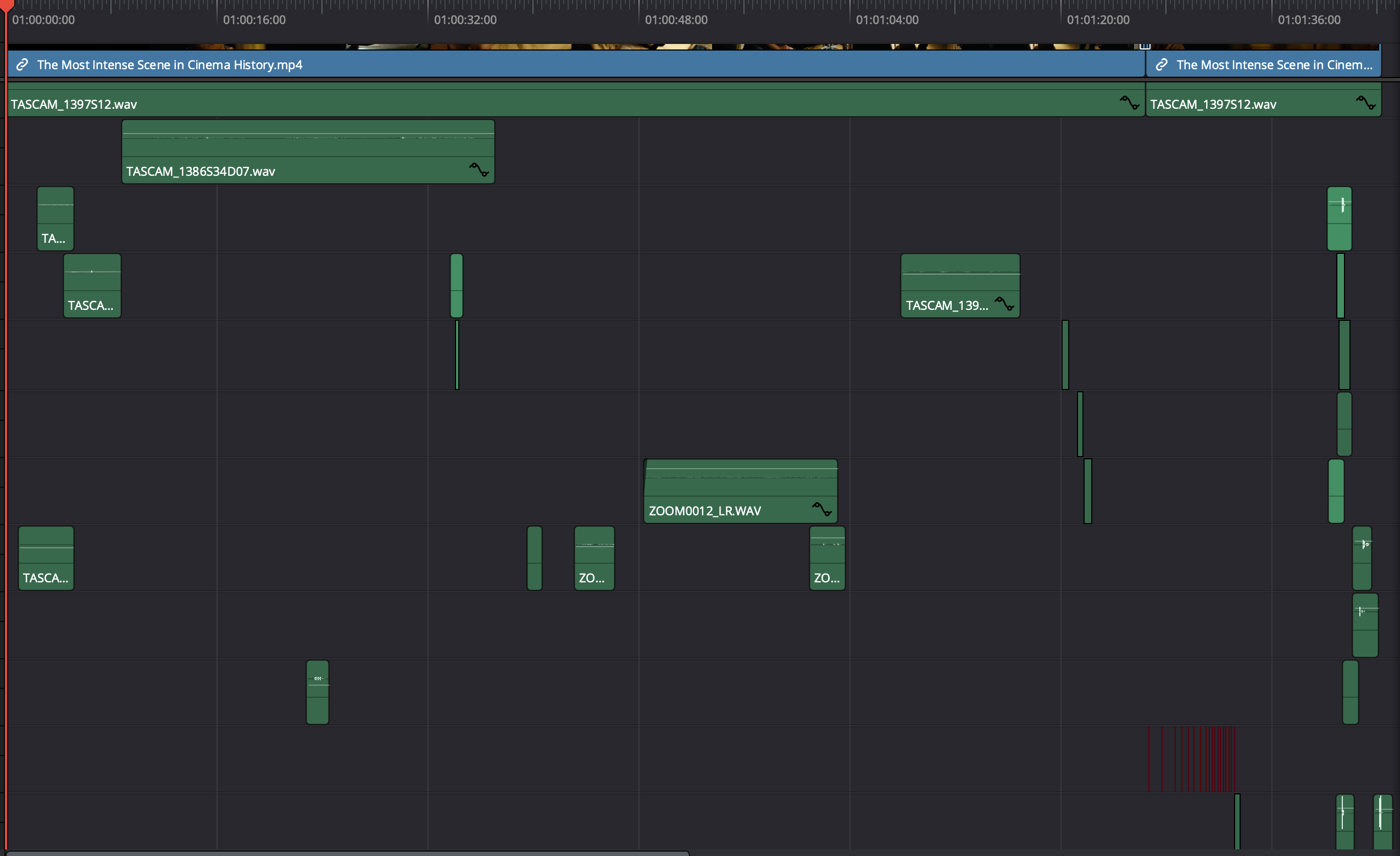
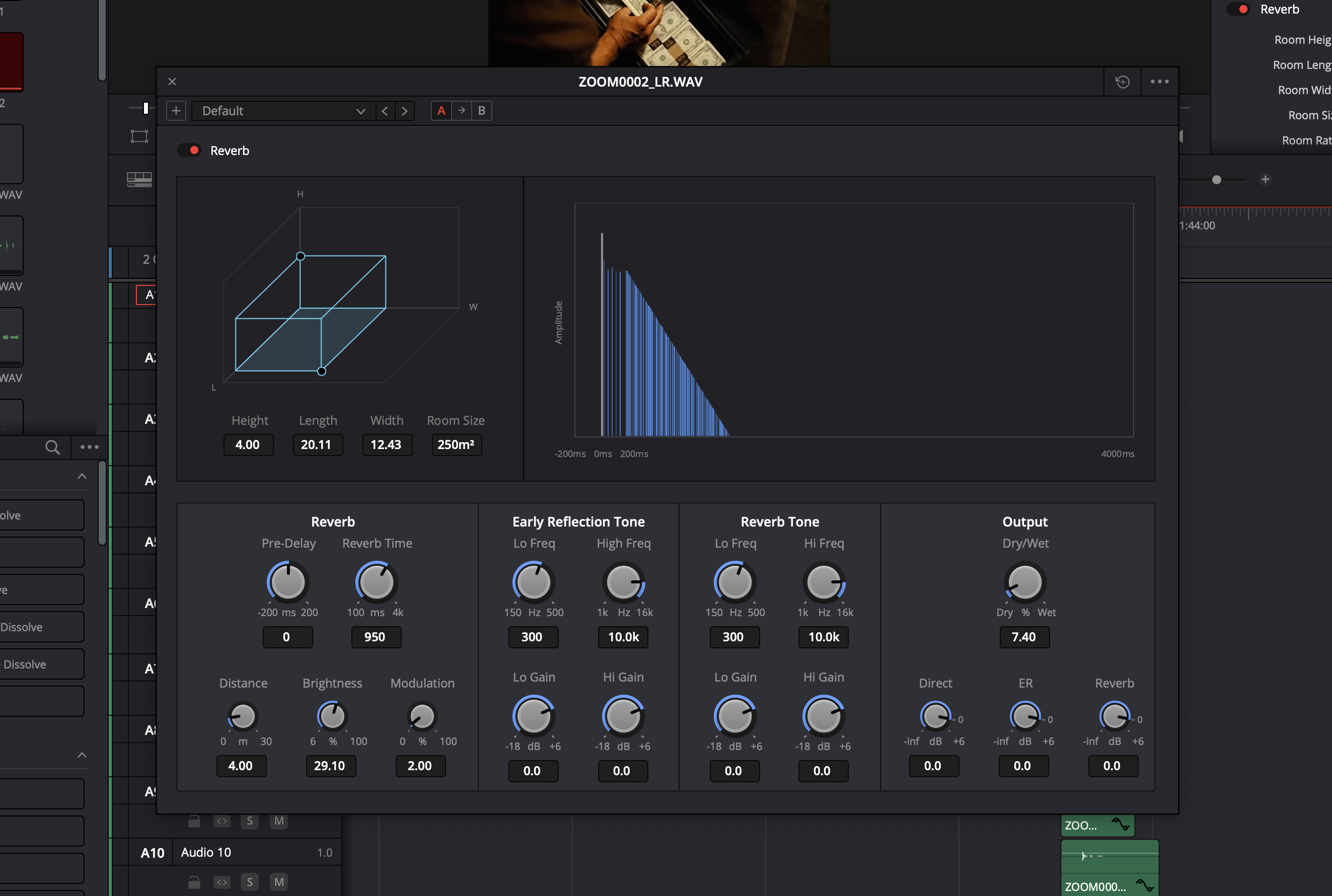
The edit was, for the most part, quite simple… I added some effects such as reverb and noise reduction and adjusted the tone/pitch of some of the clips.
Evaluation
I’ll be the first to admit this is probably my weakest project. I can absolutely appreciate the valuable role that sound plays in the film industry, however, sound is not my thing. As someone who is more interested in the visual side of filmmaking, I found this project quite tedious at times and often struggled with motivation.
I chose the “No Country for Old Men” clip because I thought that it brought attention to the sound design as it had no dialogue, however, looking back I wish that I had chosen a clip that had dialogue so that I could’ve had a more in-depth look at ADR. Also, the clip was quite restrictive as all the required sounds were quite literal. I think that had I chosen a clip with more ‘abstract’ sounds or at least one which could have lent itself towards a more interesting sound design interpretation, I would have produced a better end product.
In terms of my ‘finished’ sound recreation, some sounds work well, for example, the phone sounds that I recorded using the phone from Abi, sound really good and work well in the scene, however sounds such as the gunshot sounds aren’t as effective , not to mention my terrible attempt at ‘voice acting’, I think that I should have experimented more with those sounds. I wish that I had added more ambient sounds beyond the obvious.
In conclusion, While I acknowledge that this project might be my weakest, I’ve gained a deeper appreciation for the crucial role sound plays in the film industry. This project was tough for me because I’m more into visuals than sound and picking a clip without dialogue perhaps didn’t allow me to experiment with other areas of sound design. Some parts, like the phone sounds, turned out okay, but others, like the gunshots and voice acting, didn’t quite hit the mark. I’ve learned that I need to step out of my comfort zone to improve my skills in all aspects of filmmaking in the future, including sound design.